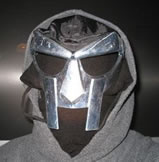
THE 50 BEST ALBUMS OF 2023

50. Desire, I Want to Turn Into You by Caroline Polachek. Indie.
49. Escalation by Guilty Simpson x Uncommon Nasa. Smart street rap.
48. Scaring the Hoes by Danny Brown and JPEGMAFIA, Alt rap.
47. Blondshell by Blondshell. Indie rock.
46. Stoned Cold Country by Various Artists. No less than Elle King, Lainey Wilson, Maren Morris, Marcus King and others cover the Rolling Stones.
45. Goat Milk by A Plus Tha Kid x DirtyDiggs. Hip hop.
44. Let’s Start Here by Lil’ Yachty. Pop.
43-39. And Then You Pray for Me by Westside Gunn, LA Summers 3 by G Perico, Higher by Chris Stapleton, Melodies on Hiatus by Albert Hammond Jr and Won’t He Do It by Conway the Machine. Predictably good content by predictably good artists. These albums do not take chances–but when you’re as good as these people are, you don’t need to.
38. Plugs at the Apollo/UnPlugged by DJ Invasion. Remixes of Benny the Butcher and other Griselda artists that in many cases end up producing better songs than the originals. Last time I checked, these albums were still free at Bandcamp.
37. Sunday Dinner by Nick Grant. Soulful rap.
36. Old Soul by Stephen Marley. Reggae.
35. Noir or Never by Che Noir and Big Ghost Ltd. Another collection from one of my favorite rappers.
34. Brandy Clark (self titled). She’s been around for a while, but I guess she didn’t want to name an album after herself before this one. Good choice. It’s great.
33. Michael by Killer Mike. Conscious, hard-edged rap.
32. Shooter Jennings and the Werewolves of Los Angeles Do Zevon. A live tribute to one of the best rock lyricists of all time.
31. Tee’s Coney Island by Tee Grizzley. Rap.
30. Rosie by Whitney Rose. Americana/folk.
29. King Pari by Negus iRap. Alt-rap.
28. Come Get Your Wife by Elle King. New Jack Country. Fun as fuck.
27. Lahai by Sampha. Soul
26. Quaranta by Danny Brown. Hip hop.
25. Down Rounder by Cat Clyde. Folk.
24. Fountain Baby by Amaarae. Soul.
23. Génesis by Peso Pluma. Mexican rock.
22. Sweet Western Sound by Tanya Tucker. 26 albums into her career, Tucker gets produced by Brandi Carlile and Shooter Jennings and releases a bona fide country masterpiece.
21. I Might Forgive… But I Don’t Forget by Jeezy. Like the entry just below it, this is a well-established artist who–I thought–had their best work in their rearview mirror. But then this album dropped and I was reminded why Jeezy is one of the all-time great trap rappers.
20. Valley Of Heart’s Delight by Margo Cliker. Country.
19. Like…? by Ice Spice. I did not like the Sexxy Red rap-smut album that’s getting lots of love. But I did like this one.
18. SOS by SZA. Soul.
17. 1989 (Taylor’s Version) by Taylor Swift.. Her best “Version” of her best album.
16. Zach Bryan (self titled). Americana/Country.
15. Thin Places by Jason Hawk Harris. Indie rock.
14. I Am the River, the River Is Me by Jen Cloher. Indie/folk.
13. Southeastern by Jason Isbell (reissue). The live and demo discs are extraordinary.
12. 1207 James Street by Don Trip. There were at least five albums/EPs from rapper Don Trip this year. All of them have great songs on them, but this has the most. Trip’s bars are always surprising–nobody sees the world and writes about it the way he does.
11. the record by boygenius. The all-female indie rock supergroup (Julien Baker, Phoebe Bridgers, and Lucy Dacus) deliver their first full album.

10. Barbershop by RJ Payne. This was, for me, the most surprising album of the year. Payne’s always been proficient, but I’ve never found him to stand out against a backdrop of similarly skilled rappers with similar content (Elcamino, Crimeapple, 38 Spesh, Rome Streetz, etc. etc.). Here, though, he produces a conscious album about food addiction, religion, the meaning of wealth…It’s fantastic. Sadly, it was only an EP–I would have loved more of this.

9. 1988 by Lori McKenna. A folk artist better known for all the songs she’s written for others, McKenna does not get the props she deserves.

8. Heavy Heavy by Young Fathers. Boundary-pushing indie rock.

7. KAYTRAMINÉ (2023). Aminé and Kaytranada’s brilliant mix of soul and hip hop.

6. Generational Curse by Icecoldbishop. Excellent hip hop that blends West Coast toughness with genuine wit and strong self-awareness. This could have easily been a genre record, but it transcends boundaries.
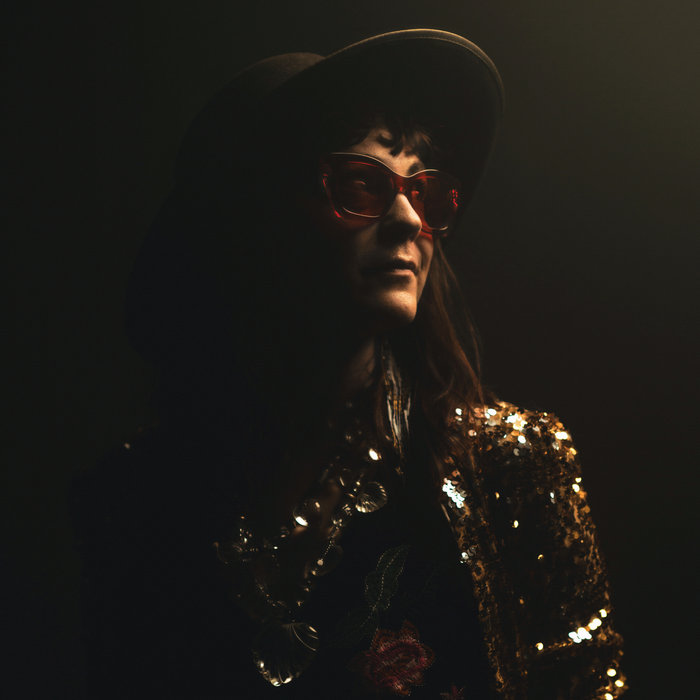
5. Gold by Carter Sampson. This Oklahoman country/folk singer/songwriter is fast becoming one of my favorite artists. Album after album she delivers greatness.

4. Misadventures of Doomscroller by Dawes. I don’t give a shit if they have corny lyrics, they’re solid musicians and this album is their best yet. Saw them live this year and they were fantastic.

3. Chronicles of a Diamond by Black Pumas. Indie soul/rock.

2. Weathervanes by Jason Isbell and the 400 Unit. After a relatively weak eighth album, Isbell comes out with one of his most varied, earnest, and musically powerful albums.

1. Sundial by Noname. I did not expect this album to be this brilliant. Smooth hip hop with lyrics that amuse, move, and educate..All at the same time.
50. Desire, I Want to Turn Into You by Caroline Polachek. Indie. 49. Escalation by Guilty Simpson x Uncommon Nasa. Smart street rap. 48. Scaring the Hoes by Danny Brown and JPEGMAFIA, Alt rap. 47. Blondshell by Blondshell. Indie rock. 46. …





You must be logged in to post a comment.